
How accurate and how fast a quote is depends largely on the files you send. A quote based on incomplete information is either overly cautious or has to be revised during production. The checklist below will help you get an accurate quote first time.
Best combination: 3D model and drawing together
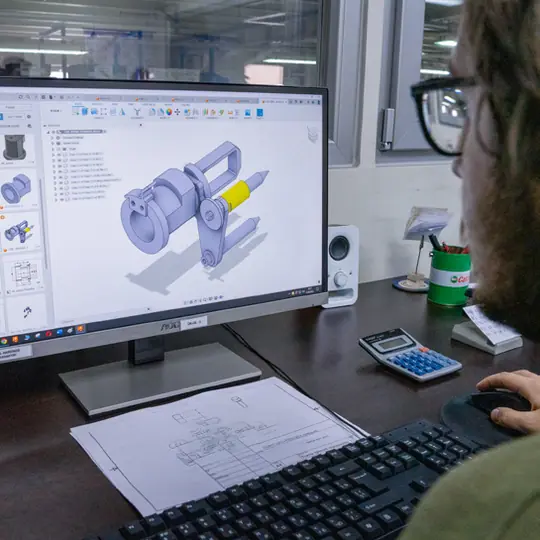
The 3D model describes the geometry completely; the drawing specifies tolerances, surface finish and material. Neither replaces the other. Ideally, send a 3D model in STEP format together with a dimensioned drawing as a PDF.
Which file formats do we accept?
| Type | Formats | Note |
|---|---|---|
| 3D model | STEP, STP, IGES, IGS, X_T, X_B, SLDPRT, IPT, CATPART, PRT, STL | STEP is the safest neutral exchange format |
| Technical drawing | PDF, DWG, DXF | Tolerances and notes must be legible |
| Photos and archive files | JPG, PNG, HEIC, ZIP, RAR, 7Z | Include a scale reference in photos of samples |
What the drawing should include
- Material and grade, where applicable (e.g. C45, 42CrMo4, EN AW-6082 T6)
- Quantity: for this order and estimated annual demand
- General tolerance (e.g. ISO 2768-m) and individual tolerances for critical dimensions
- Surface finish: general Ra value and special surfaces
- Heat treatment and coating: requirements such as hardness, anodising or zinc plating
- Revision index: prevents the wrong version from being produced
If you have no drawing
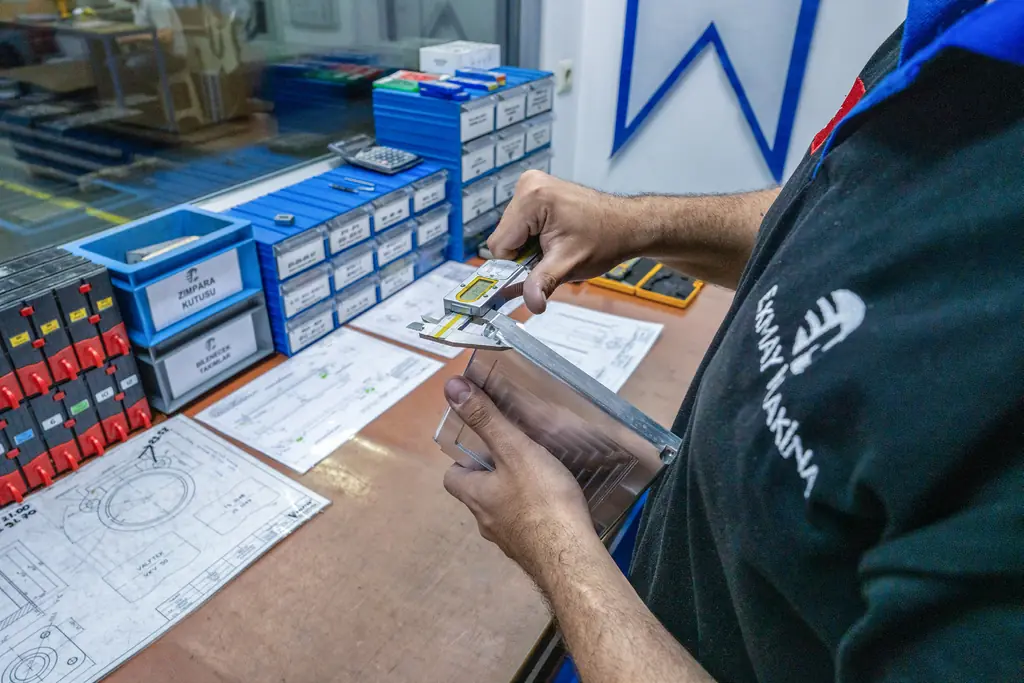
If all you have is an old part, you can send it to us as a sample. We measure it, prepare a drawing and manufacture the part. If you cannot send a sample, sharp photos with a ruler or calliper visible next to the part may be enough for an initial assessment.
Confidentiality
If your design must remain confidential, simply tick the non-disclosure agreement (NDA) option in the quote request form.
When you are ready, you can upload your files via the quote request form.